
What Are The Major Parts And Entry Points For Imports In East Africa
East Africa has become a key hub for international trade, with imports playing a critical role in supporting economic growth, industrialization, and consumer demand. Businesses rely on efficient ports and entry points to move goods smoothly across the region. Understanding What Are The Major Parts And Entry Points For Imports In East Africa is essential for importers, exporters, logistics providers, and policymakers who want to take advantage of the region’s growing trade opportunities. This article explores the main gateways, ports, and inland entry points that facilitate trade in East Africa.
Importance of Ports and Entry Points in East African Trade
Ports and border entry points are the lifelines of East Africa’s supply chains. They connect landlocked countries like Uganda, Rwanda, Burundi, and South Sudan to international markets through the Indian Ocean. Efficient ports reduce transportation costs, shorten delivery times, and increase trade competitiveness. On the other hand, delays at entry points often lead to higher prices for goods. This makes it vital to know what are the Major Parts And Entry Points For Imports In East Africa to streamline logistics operations and trade planning.
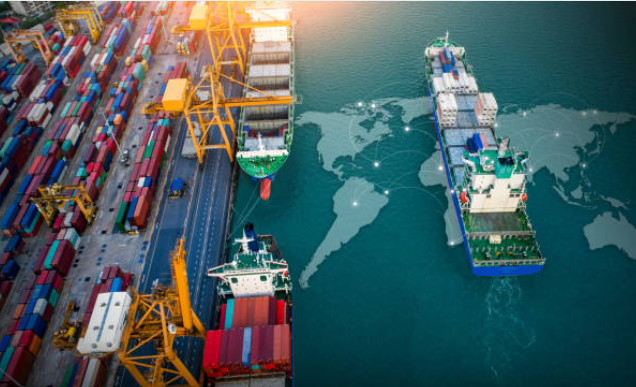
Key Maritime Ports in East Africa
Port of Mombasa, Kenya
The Port of Mombasa is the largest and busiest port in East Africa. It handles most of Kenya’s imports and also serves landlocked countries such as Uganda, Rwanda, South Sudan, and parts of the Democratic Republic of Congo. Its modern container terminals, bulk cargo facilities, and road and rail connectivity make it the backbone of the Northern Corridor trade route.
Port of Dar es Salaam, Tanzania
Dar es Salaam is the second-largest port in East Africa and serves as the main gateway for Tanzania. It is also critical for imports into Zambia, Malawi, Burundi, Rwanda, and Eastern DRC. With recent modernization efforts, the port has improved handling capacity and efficiency, making it a strong competitor to Mombasa for regional imports.
Port of Djibouti
Though not geographically part of the East African Community (EAC), Djibouti plays a crucial role as the main entry point for Ethiopia, Africa’s second-most populous country. Its strategic location at the Red Sea entrance makes it one of the busiest maritime trade hubs for the Horn of Africa.
Emerging Ports: Lamu and Bagamoyo
Kenya’s Lamu Port, part of the LAPSSET corridor, and Tanzania’s planned Bagamoyo Port are designed to enhance capacity and reduce congestion in Mombasa and Dar es Salaam. Once fully operational, they are expected to transform East Africa’s import landscape.
Major Land Entry Points
Malaba and Busia Border Posts (Kenya–Uganda)
These are the busiest land entry points for goods entering Uganda from the Port of Mombasa. Malaba, in particular, handles a large percentage of imports destined for Uganda, Rwanda, and beyond.
Namanga Border (Kenya–Tanzania)
Namanga facilitates imports moving between Kenya and Tanzania. It is a key checkpoint along the Northern Corridor and supports regional trade integration within the EAC.
Rusumo Border (Tanzania–Rwanda)
The Rusumo border post serves as a gateway for goods moving from Tanzania into Rwanda and Burundi. It is a vital link for imports coming through Dar es Salaam into landlocked countries.
Nimule Border (South Sudan–Uganda)
This is the main entry point for imports into South Sudan, with goods mostly transported from Mombasa through Uganda. Nimule plays a vital role in supplying South Sudan with food, fuel, and manufactured goods.
Air Cargo Entry Points
While seaports dominate imports, air transport is vital for high-value, perishable, and urgent goods. Major airports handling imports in East Africa include:
-
Jomo Kenyatta International Airport (Nairobi, Kenya) – the largest air cargo hub in the region.
-
Julius Nyerere International Airport (Dar es Salaam, Tanzania) – important for pharmaceuticals, electronics, and perishables.
-
Entebbe International Airport (Uganda) – handles fresh produce exports and imports of medical supplies, machinery, and luxury goods.
Regional Trade Corridors
Trade corridors connect ports to inland countries and are central to answering What Are The Major Parts And Entry Points For Imports In East Africa. The two most important are:
-
The Northern Corridor links Mombasa to Uganda, Rwanda, Burundi, South Sudan, and Eastern DRC.
-
The Central Corridor – links Dar es Salaam to Rwanda, Burundi, Uganda, and parts of DRC.
These corridors ensure the smooth flow of imports, supported by road networks, standard gauge railways, and inland container depots.
Challenges Facing Entry Points in East Africa
Despite improvements, ports and entry points face challenges such as congestion, customs delays, inadequate infrastructure, and high transport costs. These issues increase the cost of doing business and sometimes push traders to seek alternative routes. Regional cooperation, infrastructure development, and trade facilitation measures are being implemented to address these barriers.
Understanding what Are The Major Parts And Entry Points For Imports In East Africa is key for businesses looking to optimize their logistics and supply chains. The Port of Mombasa and Port of Dar es Salaam remain dominant gateways, while border posts like Malaba, Busia, and Nimule are crucial for landlocked countries. Air cargo hubs and trade corridors further complement these routes. As infrastructure develops and trade integration deepens, East Africa is set to strengthen its position as a major trade hub on the continent.