
What are the Common Causes Of Customs Delays And How to Avoid Them
Customs delays can disrupt supply chains, increase costs, and affect the timely delivery of goods. Understanding what are the common causes of customs delays and how to avoid them is essential for businesses engaged in international trade. By identifying potential pitfalls and adopting proactive measures, importers and exporters can streamline their shipments and maintain smooth operations.
Understanding Customs Delays
Customs delays occur when goods are held up at border points due to regulatory checks, documentation issues, or procedural discrepancies. These delays can happen at any stage of the import-export process, from initial declaration to final clearance. While some delays are unavoidable due to inspections or security protocols, many arise from preventable errors. Being aware of what are the common causes of customs delays and how to avoid them can save time, money, and resources.
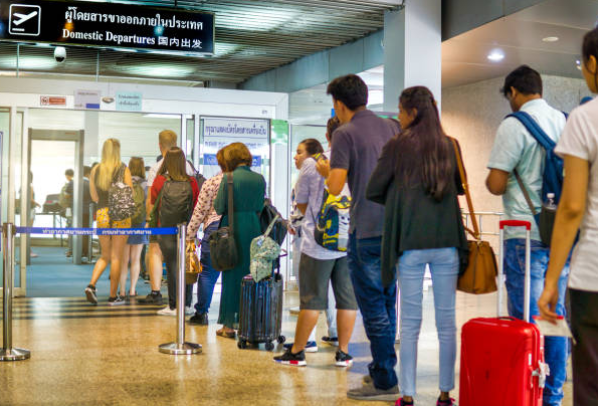
Common Causes of Customs Delays
Incomplete or Incorrect Documentation
One of the most frequent causes of customs delays is incomplete or incorrect paperwork. Customs authorities require precise documentation, including invoices, packing lists, bills of lading, and certificates of origin. Errors in these documents, such as missing signatures, wrong descriptions, or inaccurate values, can lead to prolonged inspections or outright rejection of goods.
Non-compliance with Import Regulations
Every country has specific import regulations that must be adhered to. Goods that do not meet these requirements—such as prohibited items, restricted materials, or products lacking proper certification—can be detained. Non-compliance often leads to fines, additional scrutiny, and shipment delays.
Misclassification of Goods
Tariff classification errors are another common cause of customs delays. Incorrectly classified items may result in underpayment or overpayment of duties, triggering investigations and extended hold times. Importers must ensure proper harmonized system (HS) codes are used and declared accurately.
Customs Duties and Tax Disputes
Failure to pay the correct duties and taxes promptly can cause goods to be held in customs. Discrepancies between declared values and assessed duties often require clarification and can extend clearance times.
Random or Targeted Inspections
Even when all documentation is correct, customs authorities may still select shipments for random or targeted inspections. This is common for high-risk goods, high-value shipments, or goods coming from countries with strict import scrutiny. Although unavoidable, understanding risk factors can help reduce the likelihood of an inspection.
How to Avoid Customs Delays
Ensure Accurate Documentation
The first step to avoiding customs delays is meticulous attention to paperwork. All invoices, packing lists, certificates, and permits should be accurate, complete, and consistent. Double-checking HS codes, descriptions, and quantities can prevent common errors that lead to delays.
Comply with Import Regulations
Stay updated on local import regulations, including product-specific restrictions, labeling requirements, and licensing procedures. Working with experienced customs brokers or trade consultants can help navigate these complex rules efficiently.
Classify Goods Correctly
Proper classification ensures that goods are taxed and inspected appropriately. Use official tariff guides and consult customs authorities or experts when in doubt. This reduces the chance of duty disputes and inspection delays.
Pay Duties and Taxes Promptly
Ensure that all applicable customs duties and taxes are accurately calculated and paid in advance if possible. Timely payment not only speeds up clearance but also prevents potential penalties.
Use Trusted Customs Brokers
Experienced customs brokers can streamline clearance processes by ensuring compliance, accurate documentation, and effective communication with customs officials. Leveraging their expertise can significantly minimize the risk of delays.
Understanding what are the common causes of customs delays and how to avoid them is crucial for any business involved in international trade. From documentation errors to non-compliance with regulations, most delays are preventable with careful planning and proactive measures. By ensuring accurate paperwork, proper classification, timely payments, and leveraging professional assistance, businesses can reduce delays, save costs, and maintain smooth operations in global trade.